22/August/2012
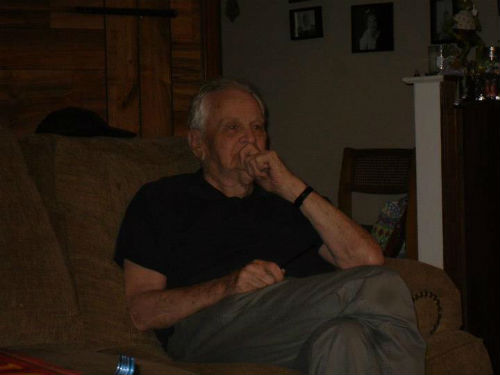
While I was in Memphis last week I got to spend some time with my dad’s brother, Bud. He was wearing an 8th Air Force ball cap so I asked him to tell us about his service. From his enthusiastic telling of “war stories” it seemed clear that the time he spent on those B-17s were among the best years of his life. He told me about training to be a pilot, eventually washing out, and then being sent to gunnery school. Which is how he wound up being the belly gunner on the B-17, which he called the best damn plane every built. He got to England late in the war and flew 19 missions before the Germans capitulated. He said the guys in the early days had it a lot worse because they didn’t have the P-51 fighter escorts that he enjoyed. Even so, he remembered having one of those ME-252 fighter jets in his sights for a brief instant, but it was too fast to keep a bead on. He was glad that they never faced them in force. Their biggest problem was flak and it was apparently pretty scary stuff. The got hit frequently (he said after one mission they counted over 100 holes of varying size in the fuselage). And once they took a direct hit over Germany, it killed the navigator and severely injured the co-pilot. They lost both starboard engines which made it difficult to control the planes and maintain altitude. They managed to make it as far as Belgium where they crash landed. Apparently the Germans had pulled out only days earlier and they made it back to London without being captured. Anyway, the thing he told me which really struck me was this: They would normally fly a mission in 3 day rotations, sometimes more often depending on the targets, and less depending on weather. Duty rosters were posted on the lavatory door (I guess so everyone would see them eventually). And if your name appeared on the roster, you didn’t make any plans. I said why, so you could prepare? And he said “no, because everyone always assumed they wouldn’t be back.” I can’t imagine the courage these guys had to have.
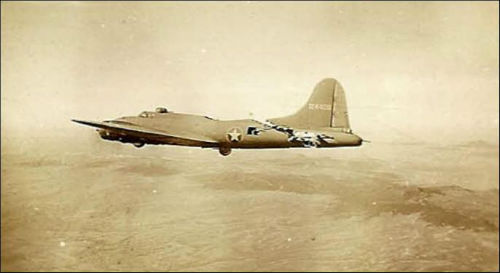
This is not Uncle Bud’s plane, unfortunately I don’t have a picture of his. 18/August/2012My dad, Walter Lee McCrarey, grew up in Memphis. My grandfather was a riverboat captain, and like him, my dad loved the Mississippi. Dad also spent most of his adult life sailing the oceans of the world with the U.S. Merchant Marine. In fact, he first went to sea at the age of 15 in 1942 serving on the freighters carrying precious war cargo to the UK. Dad wasn’t a particularly religious man, nor did he have much sentimentality regarding his mortal remains. Many times he reminded us that it wouldn’t make a whit of difference to him if we threw his dead body on the curb when he gone. Instead, we donated his body to the University of South Carolina Medical School in accordance with his wishes. When the medical students were done with him, he was cremated and the ashes were returned to the family. Well, I was mindful of the fact that he didn’t want any big deal made of his remains, but I nevertheless had a box of “cremains” staying in my house and I wasn’t satisfied with that arrangement. In consultation with my brothers, it was decided to place some of the ashes at mom’s grave site (she was sentimental that way) and the rest would be deposited in the Mississippi river where they would eventually make their way to sea, just as he had so many years ago. And so that’s just what we did.
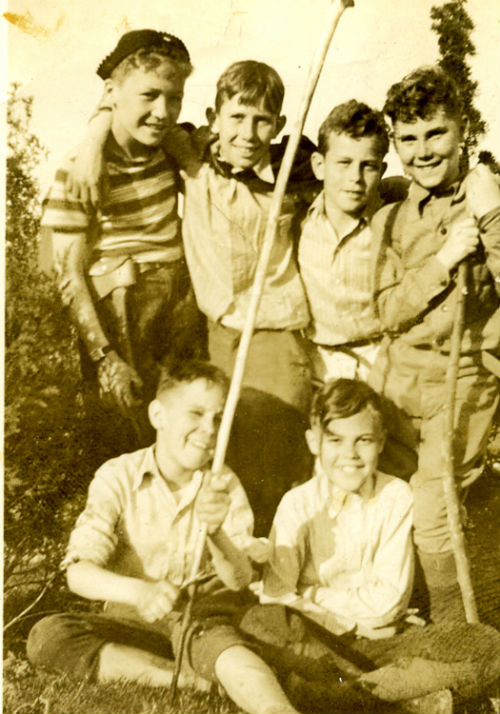
Dad (standing, 3rd from left) with some of his buddies on a fishing expedition. I’d like to imagine it was near the same spot on the river where we deposited his ashes.
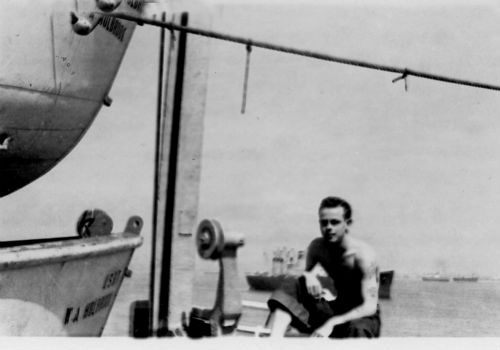
Dad in his early days with the Merchant Marine.
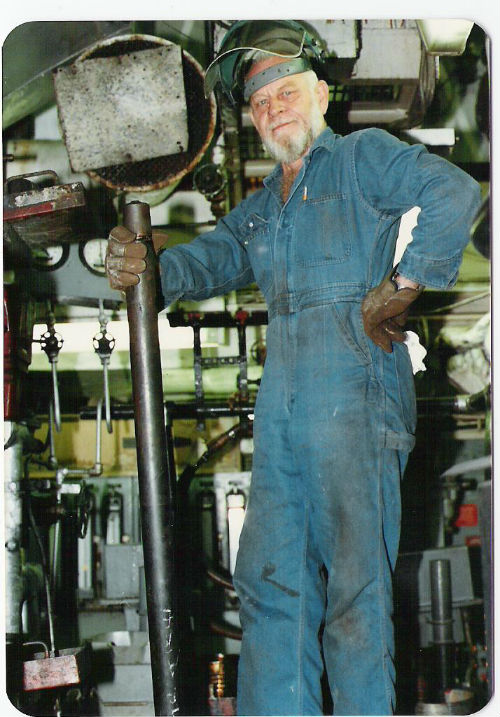
In his later years at sea he was still keeping those big engines turning…
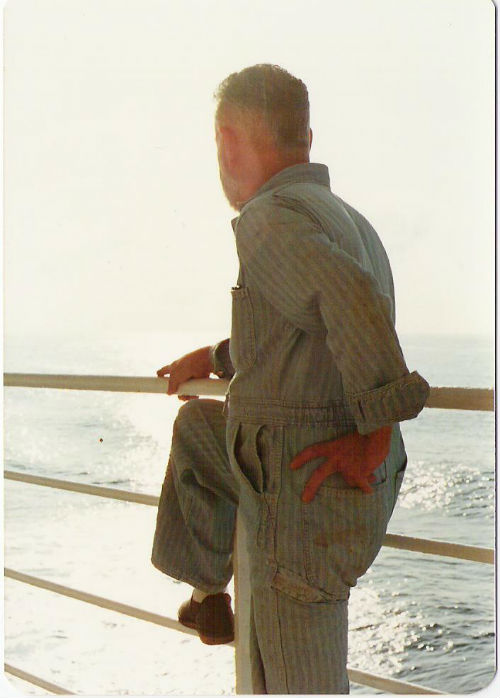
And he never lost his love for the open sea.
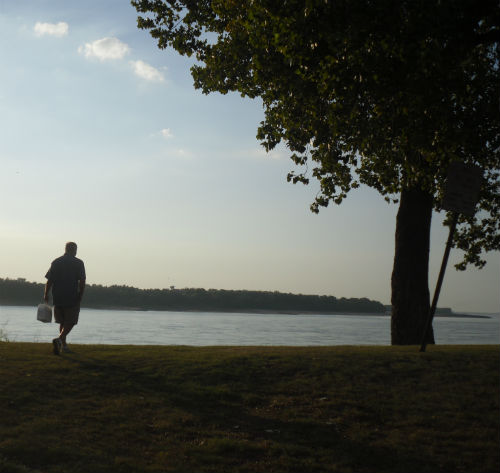
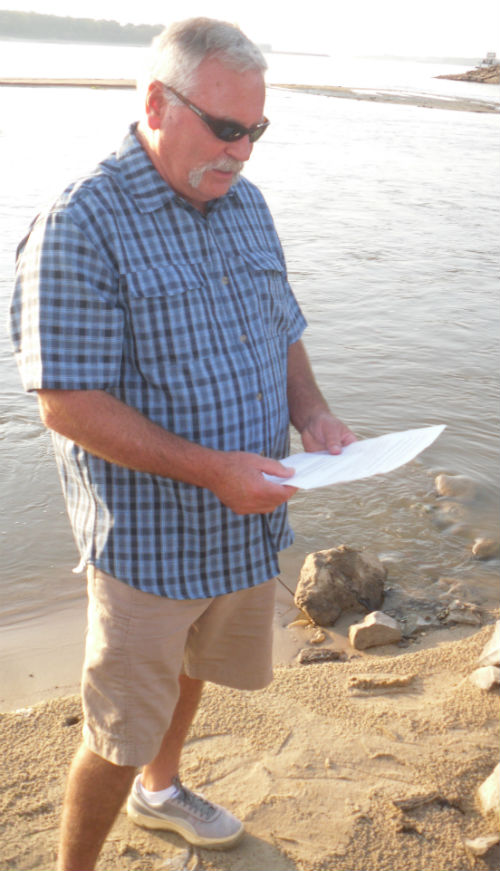
Brother Keith carrying dad’s remains to the riverside.
This is the spot we picked to say our final goodbyes.
Keith recited one of dad’s favorite poems: I must go down to the seas again, to the lonely sea and the sky, I must go down to the seas again, for the call of the running tide I must go down to the seas again, to the vagrant gypsy life, –John Masefield
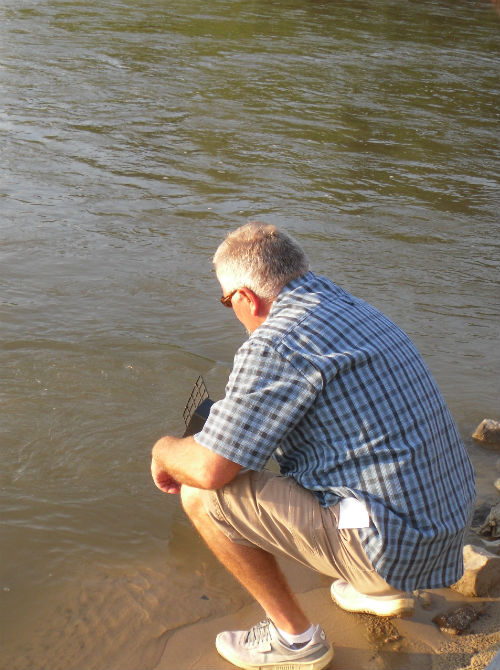
And then we poured him into the muddy waters of the Mississippi river.
So we said our goodbyes in the best way we knew how. And then we went on with the business of living. Time, beckoning me Goodbye my love, Till it’s gone forever Goodbye my friends, Till it’s gone forever 17/August/2012Just back from a long drive to Enid, Oklahoma and Memphis, Tennessee. Family reunion with the Foltz (maternal) side of the family and deposited dad’s ashes in the Mississippi river so he could begin his long journey back to the sea. Pictures and commentary to follow. I did encounter this old pioneer protecting his claim from the 1893 land rush in the Cherokee Strip.
|
About Me
Search Recent Posts
Categories:
“oh (1) Places I Go
Archives May 2013 Your Comments Kevin: I am proud of the Giving Credit Powered by: Other Meta
|
|||||||||||||||||||||||||||||||||||||||||||||||||